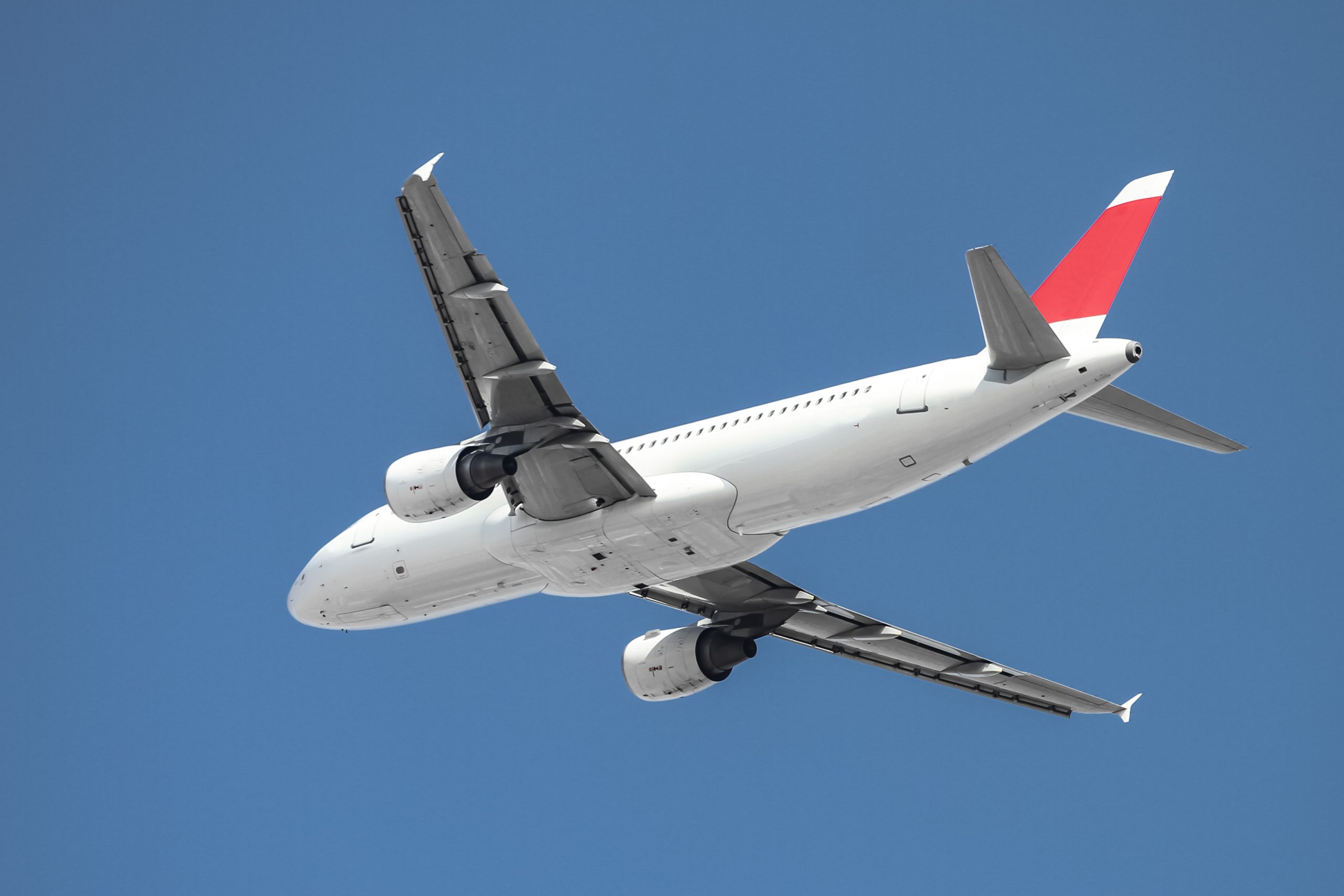
Barcelona–El Prat Airport (IATA: BCN) is Spain’s second-busiest aviation gateway and one of the most important hubs in southern Europe. In 2024, the airport handled over 55 million passengers — a new all-time record, and a figure that reflects both Barcelona’s enduring appeal as a destination and El Prat’s growing role as a transatlantic and intercontinental transit point. Whether you are arriving for the first time, departing after a week in the Catalan capital, or making a connection, understanding how BCN works makes the difference between a smooth journey and a stressful one.
This guide covers El Prat’s layout, its terminals, its history, how to get between the airport and the city, and how professional meet and assist services can transform the experience at one of Europe’s most dynamic airports.
A Brief History of Barcelona–El Prat Airport
El Prat’s origins date back to 1916, when the Spanish military established an aerodrome on the flat marshland of the Llobregat Delta, south of Barcelona. Civil operations began in 1927, making it one of the oldest continuously operating airports in Spain.
The airport takes its name from the nearby town of El Prat de Llobregat, which sits on reclaimed land between the sea and the Llobregat river. For decades, the airport remained modest in scale — a regional facility serving a city that was then more industrial hub than tourist destination. The transformation began with the 1992 Barcelona Olympics, which triggered a complete overhaul of the airport’s infrastructure and set El Prat on the path to becoming a major European hub.
The most significant expansion came in 2009, when the new Terminal 1 opened — a vast, striking building designed by Ricardo Bofill, with a distinctive wave-shaped roof and a capacity that effectively doubled the airport’s throughput. The investment was enormous, and for a period the timing felt challenging as passenger numbers fluctuated. Today, officially named Josep Tarradellas Barcelona–El Prat Airport since 2019, the airport handled over 55 million passengers in 2024 — finally surpassing its pre-pandemic record — and the vision has clearly been vindicated.
Terminal Layout: T1 and T2
Barcelona–El Prat operates two main terminal buildings, designated Terminal 1 (T1) and Terminal 2 (T2). Understanding which terminal serves your flight is essential, because the two buildings are not connected by foot — they sit approximately 4 kilometres apart, linked only by a dedicated free shuttle bus that runs around the clock.
Terminal 1 (T1)
Terminal 1 is the dominant terminal at El Prat and handles the majority of international and intercontinental traffic. Designed by Ricardo Bofill Arquitectura and opened in 2009, it is one of the most architecturally impressive airport buildings in Europe: 544,000 square metres of floor space spread across five levels, with a distinctive undulating roof structure that evokes the movement of waves.
T1 is divided into three piers — A, B, and C — each serving a different mix of airlines and destinations. The building houses an extensive airside retail and dining area, a business lounge zone, and well-organised check-in and immigration facilities. The vast majority of airlines operating at BCN, including the major intercontinental carriers, are based at T1.
Level structure at T1:
- Level 4: Departures, check-in halls, airside shopping and dining
- Level 3: Boarding gates (Pier A, B, C)
- Level 2: Arrivals hall, baggage reclaim, ground transportation connections
- Level 1: Car park and inter-terminal shuttle bus
Terminal 2 (T2)
Terminal 2 is the older of the two buildings and is itself divided into three sub-terminals: T2A, T2B, and T2C. These three sections are connected internally, so passengers transferring between them do not need to exit the building.
T2 primarily serves low-cost carriers and a smaller number of traditional airlines. Ryanair, for instance, operates a significant portion of its Barcelona routes from T2. The terminal is more compact and more simply laid out than T1, which is useful to keep in mind if you are travelling light and value quick processing.
Travelling between T1 and T2: A free inter-terminal bus runs every 7–10 minutes, 24 hours a day. The journey takes approximately 14 minutes. If you are making a connection that involves switching terminals, allow at least 90 minutes — the transfer, re-security, and gate distance can consume time quickly.
Airlines and Destinations
El Prat’s network reflects both its role as a gateway to Barcelona and its growing importance as a transfer hub for southern Europe and Latin America.
Vueling — headquartered in Barcelona — is the dominant carrier at T1 and operates an extensive network of European and North African routes, as well as a selection of longer-haul destinations with partner carriers. Specific routes and frequencies change regularly; always check directly with the airline for the latest schedule. Iberia also operates a significant number of connections, particularly to Madrid and Latin America. Transatlantic services are provided by a range of carriers, with direct flights to major cities in North and South America — including destinations in the USA, Mexico, Brazil, Argentina, and others — though the exact list of routes varies by season.
European connectivity is comprehensive, with direct flights to most major European capitals and hubs, as well as links to the Middle East and Asia.
Getting to Barcelona City Centre
Barcelona’s airport sits roughly 13–15 kilometres southwest of the city centre. While there are several transport options available, they offer very different experiences when it comes to comfort, privacy, and efficiency.
Public Transit: Metro, Train, and Coach
Public transport options—such as the L9 Sud Metro, RENFE suburban trains, and the Aerobús express coach—provide standard connections to central hubs like Plaça Catalunya or Passeig de Gràcia. While functional, these routes often require navigating crowded terminals, handling your own luggage across platforms, and arranging additional transport from the station to reach your final destination.
Taxis and Rideshares
Standard taxis are readily available at designated ranks outside both Terminals 1 and 2. Fares are metered and typically include airport surcharges, while a separate fixed tariff applies for journeys directly to the cruise terminal. Rideshare apps also operate from specific pick-up zones. While more direct than public transit, you may still encounter long queues at the taxi rank or unpredictable surge pricing on apps during peak arrival times or large events.
Private Chauffeured Transfers
For a truly seamless and relaxing arrival, a pre-arranged private transfer is the most comfortable alternative. Rather than waiting in public taxi queues, dealing with unpredictable fares, or navigating transit hubs after a long flight, your chauffeur meets you directly in the arrivals hall. With dedicated luggage assistance, a premium, quiet vehicle, and a direct door-to-door route to your hotel, villa, or cruise ship, it is the most efficient way to ensure your time in Barcelona begins with complete peace of mind.
Practical Information for Passengers
Check-In and Security
Check-in at T1 opens three to four hours before departure for most carriers. Security queues at El Prat can be substantial during peak periods — summer mornings and Friday and Sunday evenings in particular. Arriving early is strongly advised.
EU and Schengen-area travellers pass through simplified border formalities. Non-Schengen arrivals and departures are channelled through dedicated immigration and customs lanes, which can experience longer queues during peak traffic.
Airport Facilities
T1 offers a solid range of airside facilities: cafés, restaurants, duty-free and retail shops, currency exchange, and a VIP lounge zone. Free Wi-Fi is available throughout both terminals. Charging points are located at gate areas. Baby facilities, accessibility assistance, and luggage wrapping services are available at both terminals.
Connections and Transit
For passengers transiting through BCN, connection times depend heavily on which terminals and which airline combinations are involved. A same-terminal, same-carrier connection at T1 can be completed in under 60 minutes if immigration is not required. A transfer involving a change from T2 to T1, or any international-to-international connection requiring re-clearing security, should be planned with a minimum of 90 to 120 minutes.
Meet & Assist at Barcelona–El Prat Airport
For travellers who want to move through El Prat with minimal friction — whether navigating an unfamiliar terminal, handling a tight connection, or simply wanting professional, personalised support at every stage — Aerogreet’s meet and assist service at Barcelona–El Prat Airport (BCN) offers a genuinely different kind of airport experience.
A dedicated personal greeter arranged by Aerogreet meets you at a pre-agreed point — at the airbridge, before immigration, or at the terminal entrance — and accompanies you personally through every stage of the airport process. The service covers check-in assistance, fast track through security, assistance through passport control (using priority lanes where available) and customs, baggage claim support, and handover to your onward transport. You are never left to navigate signage, queues, or crowded corridors on your own.
The service is available in three configurations:
- Arrival service: Your greeter meets you at the gate or terminal entrance, guides you through immigration and customs, assists with baggage, and escorts you to the arrivals hall or your private driver. Full VIP arrival options include private transfer from the aircraft directly to a VIP lounge, with all formalities handled there.
- Departure service: Your agent meets you at the terminal, assists with check-in, guides you through security with fast track access, and escorts you to the boarding gate. Additional services such as lounge access, porter assistance, and private transfer to the aircraft can be arranged.
- Transit and connection service: Particularly valuable at El Prat, where a terminal change or non-Schengen connection can add significant complexity. Your agent manages the entire connection — meeting you off one flight and getting you to the next gate with time to spare, handling all formalities in between.
This kind of professional assistance is especially useful at BCN for families travelling with young children, for passengers unfamiliar with the airport’s layout, for those with reduced mobility, for VIP and business travellers who value their time, and for anyone making a tight connection that leaves no margin for error.
If you have never used a meet and assist service before, our guide on Meet & Assist vs Going It Alone: A Real Comparison is a good starting point — it addresses the most common questions and sets realistic expectations.
Barcelona–El Prat vs. Madrid–Barajas: Which Spanish Airport Is Right for Your Route?
Travellers with flexibility sometimes have a genuine choice between routing through BCN or through Madrid’s Adolfo Suárez Madrid–Barajas International Airport (MAD), Spain’s busiest aviation hub.
Madrid–Barajas handles a larger volume of long-haul and intercontinental traffic and offers a wider range of transatlantic frequencies, particularly to Latin America. It is also the primary hub for Iberia and their partner carriers within the Oneworld alliance. If your onward destination is a Latin American city beyond the main hubs, the connection options via MAD are often broader.
Barcelona–El Prat, on the other hand, offers a more streamlined experience for European connections, strong Vueling network coverage throughout southern Europe and North Africa, and is generally the more convenient option for passengers whose ultimate destination is Barcelona or the wider Catalonia region.
For those travelling within Spain and considering a domestic connection, both airports have extensive links to other Spanish cities — but the direct international network at BCN is increasingly competitive, reducing the need for a domestic leg.
Why BCN Rewards Those Who Know It
El Prat is a genuinely impressive airport — spacious, well-designed, and capable of handling enormous passenger volumes with a level of architectural elegance that is rare in large hub facilities. Ricardo Bofill’s Terminal 1 remains one of the finest examples of airport design in Europe: generous in scale, clear in its wayfinding, and distinctly Mediterranean in its light and materials.
At the same time, like all major hub airports, it has its pressure points: peak-summer security queues, the inter-terminal complexity for T2 passengers, and the transit challenges for non-Schengen connections. Being prepared — or having professional support — makes the difference between experiencing El Prat at its best and at its most stressful.
For passengers who want the assurance of a knowledgeable local agent at their side from first step to final gate, Aerogreet’s Barcelona–El Prat airport service is available for arrival, departure, and transit journeys. Book your service in advance and travel through one of Europe’s great airports exactly as it deserves to be experienced.
Information in this guide is subject to change. Always verify terminal assignments, transport schedules, and immigration requirements with your airline and official airport sources before travel.

 Alexander Stepanovskiy